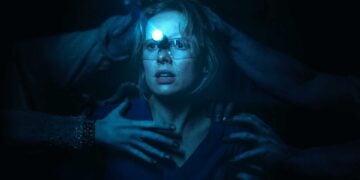

Six weekends in, and it’s still the movie everyone is talking about. The good news is that director Curry Barker’s horror film, Obsession, is finally coming to digital. For those who wanted to watch it at home or rewatch it at home, you’ll now finally get a chance to do so.
In its first weekend, Obsession opened to $17 million domestically in the US. But in its second weekend, the film did something surprising by pulling in $24 million. Most studios these days celebrate when a film doesn’t drop more than 50% on the second weekend. Obsession had a 40% surge in ticket sales, which is pretty rare, especially for a horror flick.
In fact, the only other film that’s done that in recent years is Sound of Freedom in 2023, which also rose about 39% in its second weekend. But to be fair, that was under completely different circumstances, including the studio’s very unusual “pay it forward” ticketing campaign, which saw supporters paying for tickets even when there was nobody there to actually watch the film.
Obsession is actually growing because people watched it and told other people to watch it, and those, in turn, told others to watch it too. The 96% Rotten Tomatoes-scored film has become a social media word-of-mouth phenomenon, with social feeds running reactions, debates, and discussions around the film’s ending.
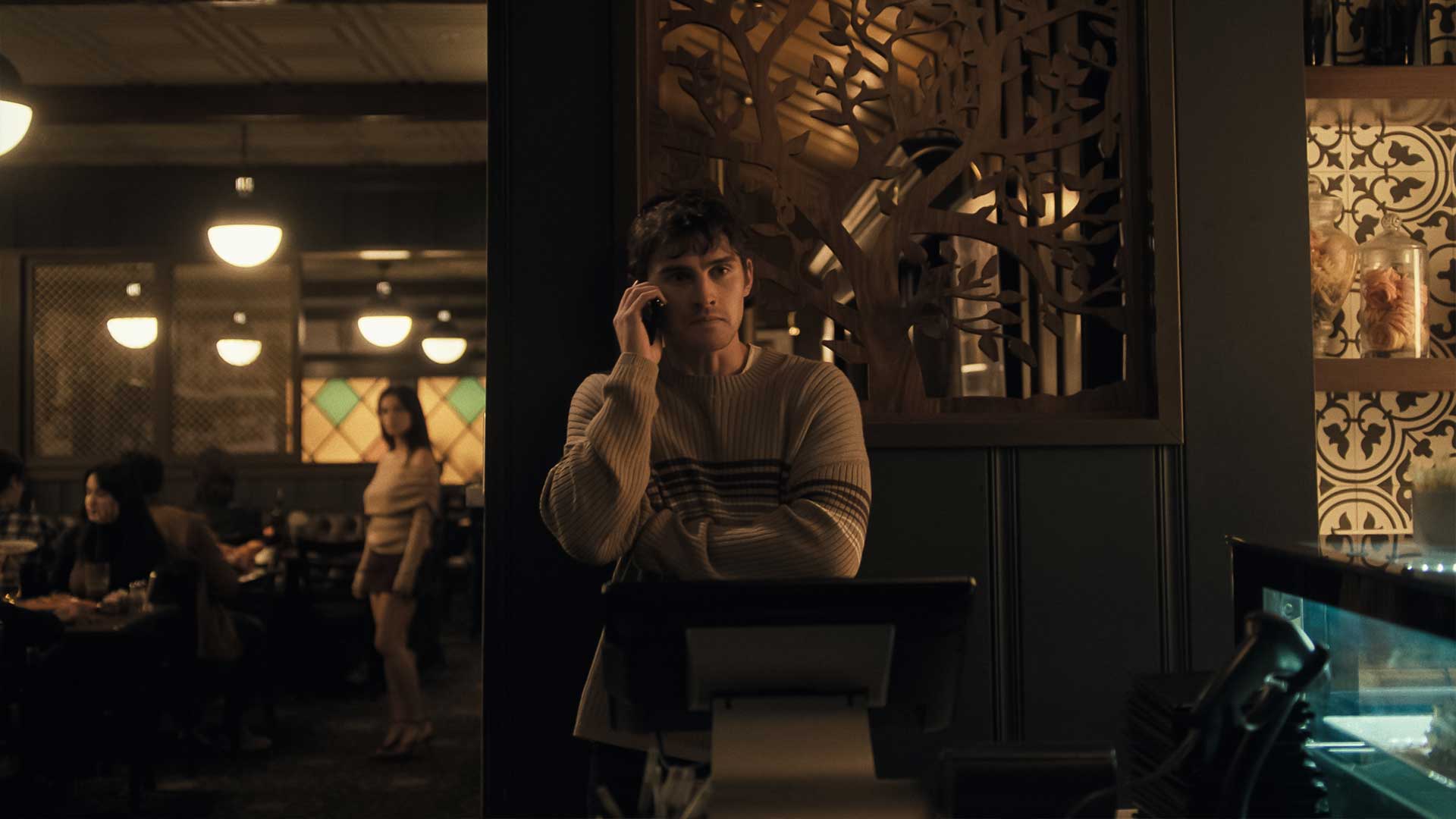
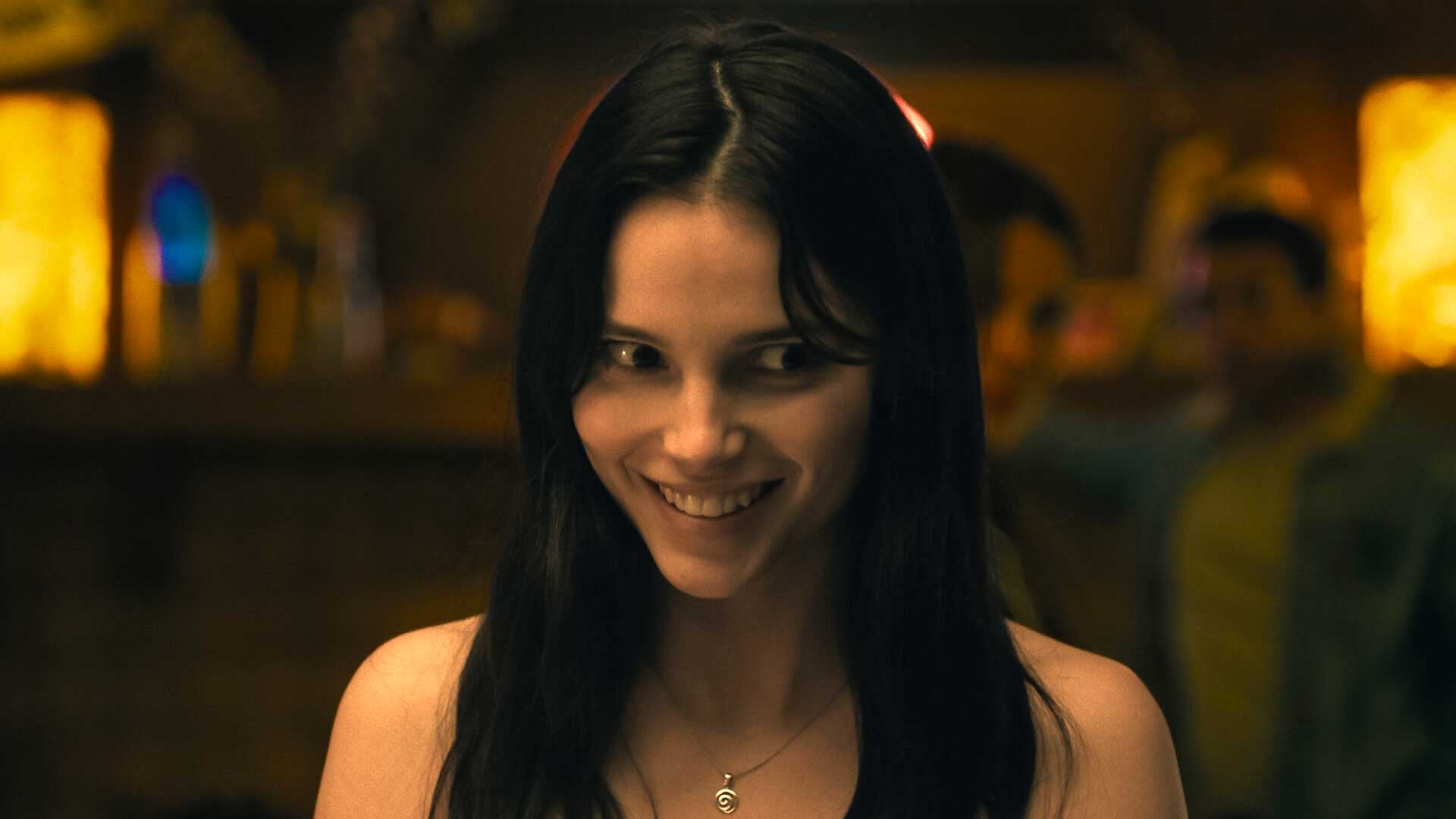
But while Gen Z drove the ticket sales, largely through TikTok, I fear that studios will learn the wrong lesson from Obsession‘s success — now sitting at $216 million domestically and over $330 million globally on a budget of just $750,000. See, while everyone’s focus is on the social media frenzy, they’re forgetting that Obsession is actually a really good original film with amazing performances, especially from Inde Navarrette, who honestly deserves all the awards she gets for her portrayal of Nikki Freeman, the obsessive girlfriend who goes to great lengths to keep her boyfriend.
It proves that good original films still win at the box office, and that films that seem to be written by AI or committee or formula don’t. Audiences are tired of the same cookie-cutter films. They’re craving originality. That should be the argument for Obsession‘s win at the box office – that there’s still a big space for horror and really good small-budget films.
But knowing Hollywood, they’ll see this as proof that they need to spend more money on hiring influencers to push films on TikTok. Because when it doesn’t happen organically, they’ll try to throw money at it to force it.
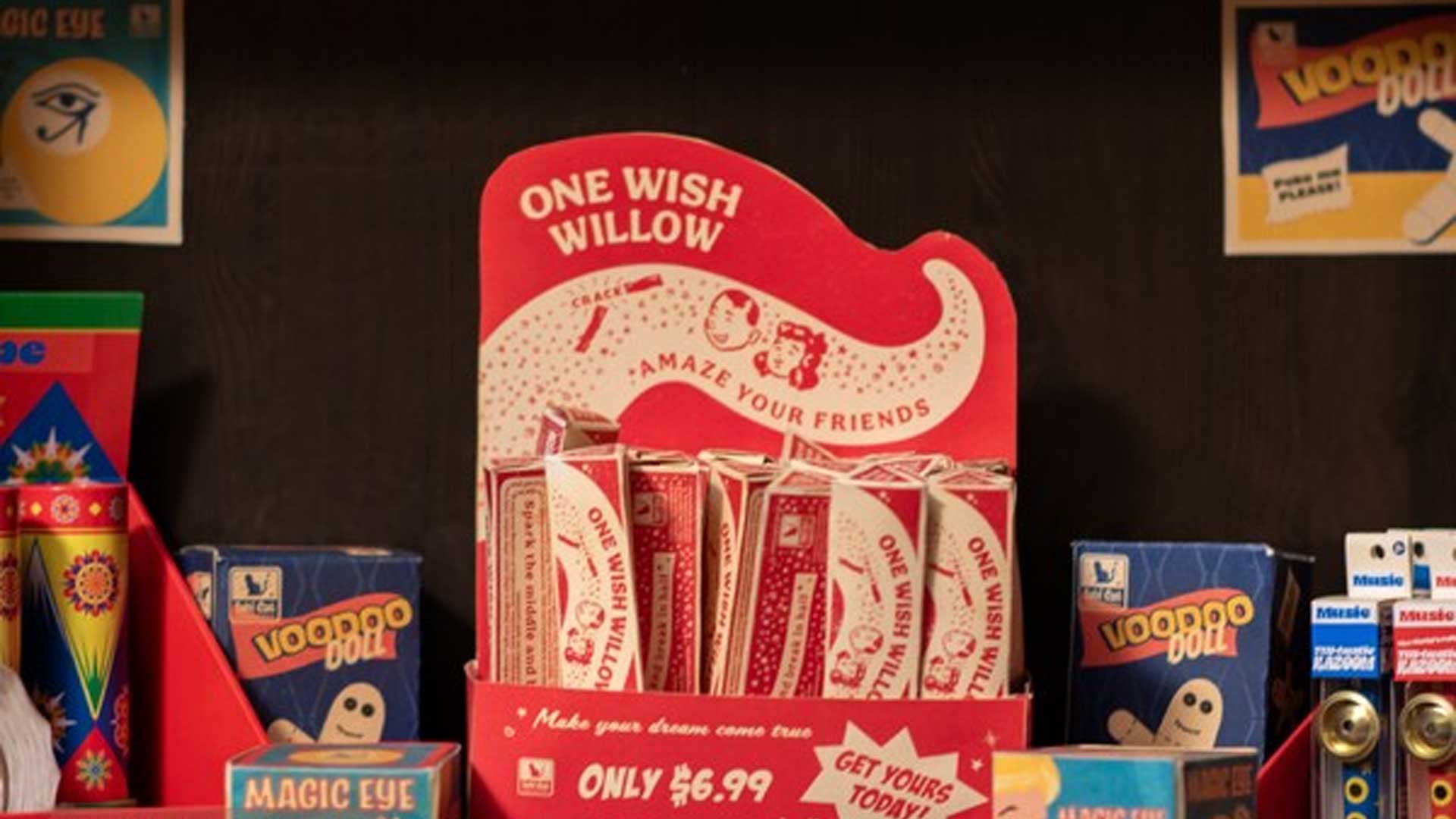
Many considered it a gamble when Focus Features acquired the rights for Obsession for over $15 million after its premiere at Fantastic Fest in 2025. But let’s hope this big win pushes studios to take more chances on smaller films like these, because when they win, not only are the profits huge, but they also give up-and-coming filmmakers the chance to compete and create amazing films.
The wait to watch Obsession at home is almost over. A June 2 VOD release was originally announced and then scrapped, and for good reason — the film earned that extended run. Focus Features gave it the kind of 45-day exclusive theatrical window usually reserved for Universal’s biggest blockbusters, and Obsession used every day of it. The digital release is now confirmed for June 30, exactly 45 days after it first hit cinemas.
In its sixth weekend alone, the film still pulled $14 million — a 25% drop that most studio tentpoles would envy. Speaking to Variety earlier in the run, studio head Jason Blum called the timing of a home release “a big topic of conversation at the moment” and said that he is “a big believer in a long, consistent theatrical window.” Turns out, he meant it.
If you want to be part of the watercooler conversation right now, you’ve still got a few days to catch Obsession on the big screen. But if you’ve been waiting to watch it at home, June 30 is your date. Either way, it’s totally worth it.
Original films still win. They always have. Obsession just reminded everyone of something the industry keeps forgetting.
RELATED: The Director Who Made $300 Million From $750K Has a Message for Hollywood: Stop Making Slop